
DRYWALL SCREW GUIDE

What Are Drywall Screws? Uses, Benefits, and Common Applications

Learn what drywall screws are, where they are used, their key benefits, and how to choose the right type for gypsum board, false ceilings, and partition walls.

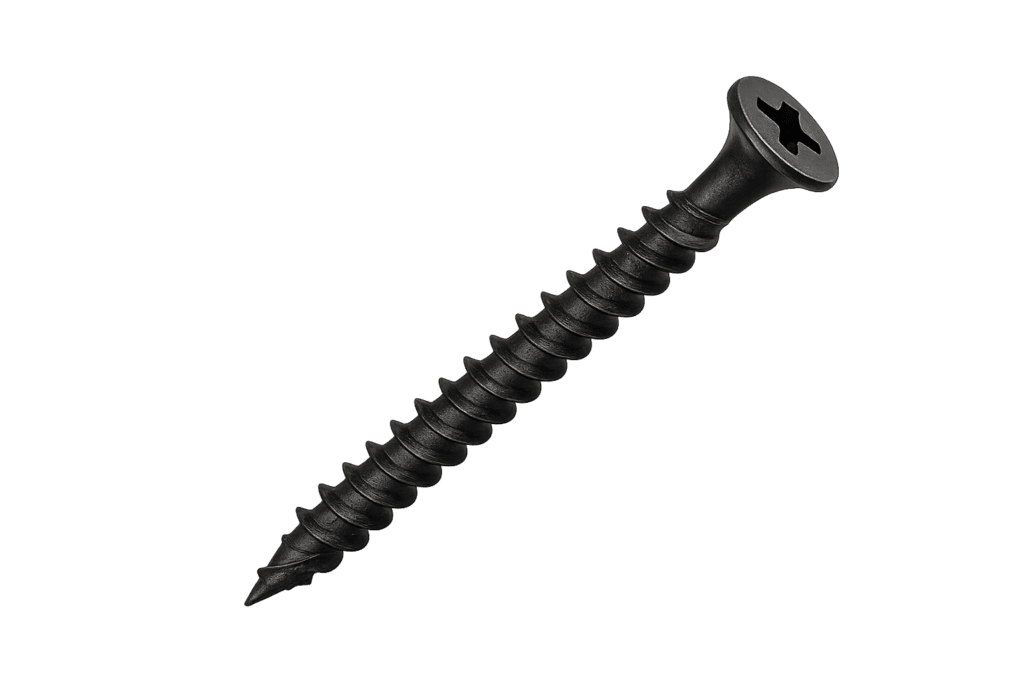
Black drywall screw with Phillips bugle head

1. Introduction: What Are Drywall Screws?

When planning modern interior construction or renovation projects, false ceilings and partition walls are common features. Although the finished design is what people notice first, the stability of these installations also depends on selecting the right fasteners.

So, what are drywall screws? Drywall screws are specially designed fasteners used to attach gypsum boards to wood studs or metal framing. They are commonly used in false ceilings, partition walls, and other drywall installation work.

Unlike ordinary nails or general-purpose screws, drywall screws have a sharp point, threaded body, and bugle-shaped head that help them sit neatly into the gypsum board surface. Choosing the correct screw length, diameter, thread type, and finish is important for achieving reliable fixing performance.

2. Primary Drywall Screw Applications & Uses

Drywall screws are used in a wide range of interior construction and finishing applications. Their sharp points, threaded bodies, and bugle-shaped heads make them suitable for attaching gypsum boards to wood or metal framing.

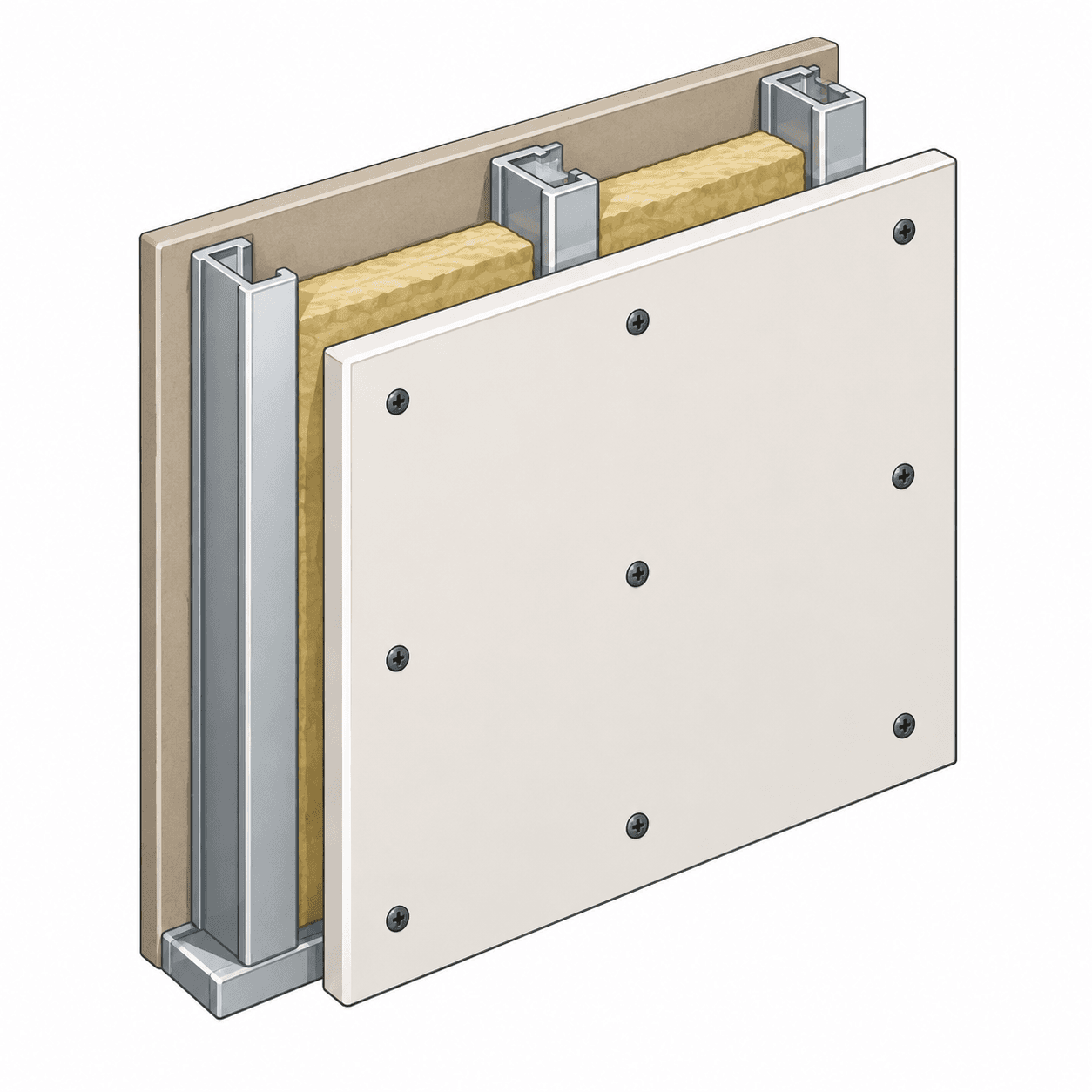
Gypsum board fixing with drywall screws

Gypsum Board Fixing

Drywall screws are commonly used to secure gypsum boards to supporting frames, helping create smooth wall and ceiling surfaces.

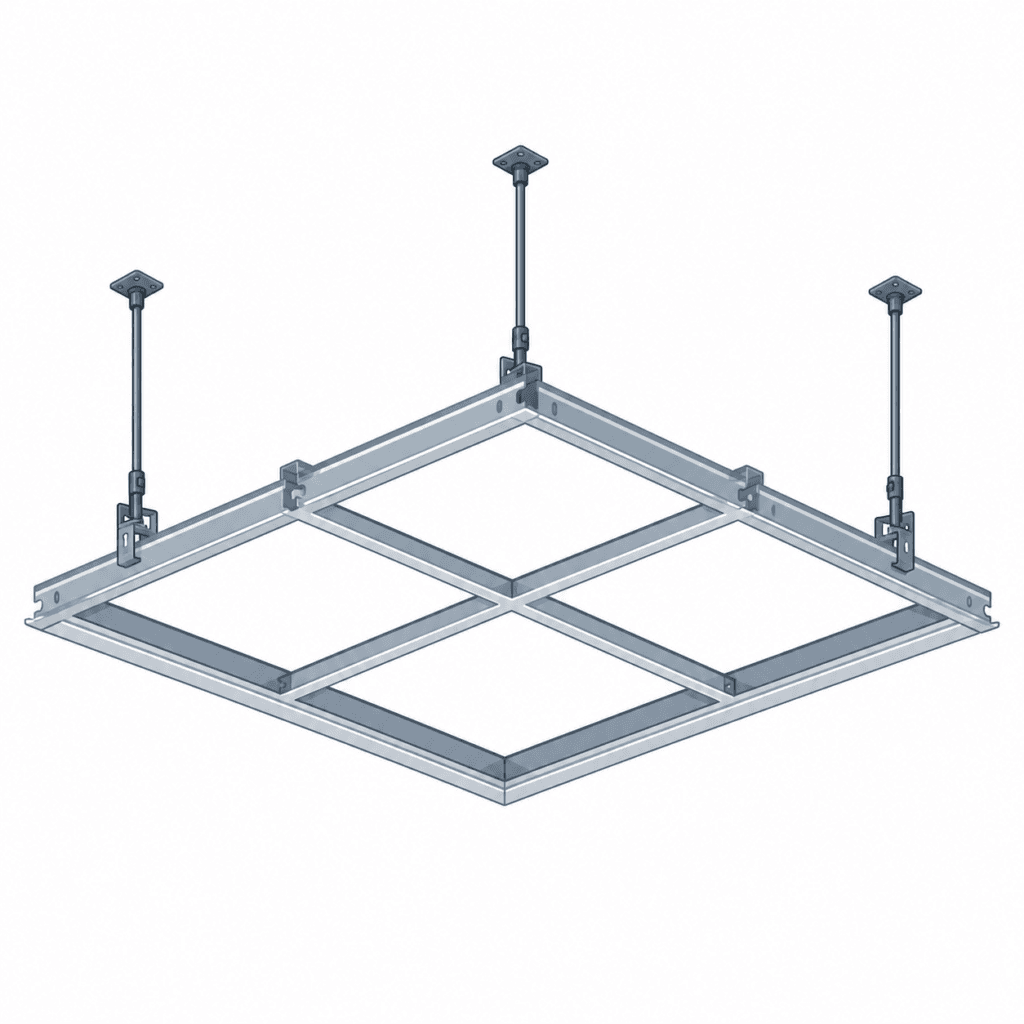
Suspended ceiling grid for false ceiling installation

False Ceiling Installation

They are widely used in false ceiling work to attach gypsum boards to ceiling channels and framing systems.

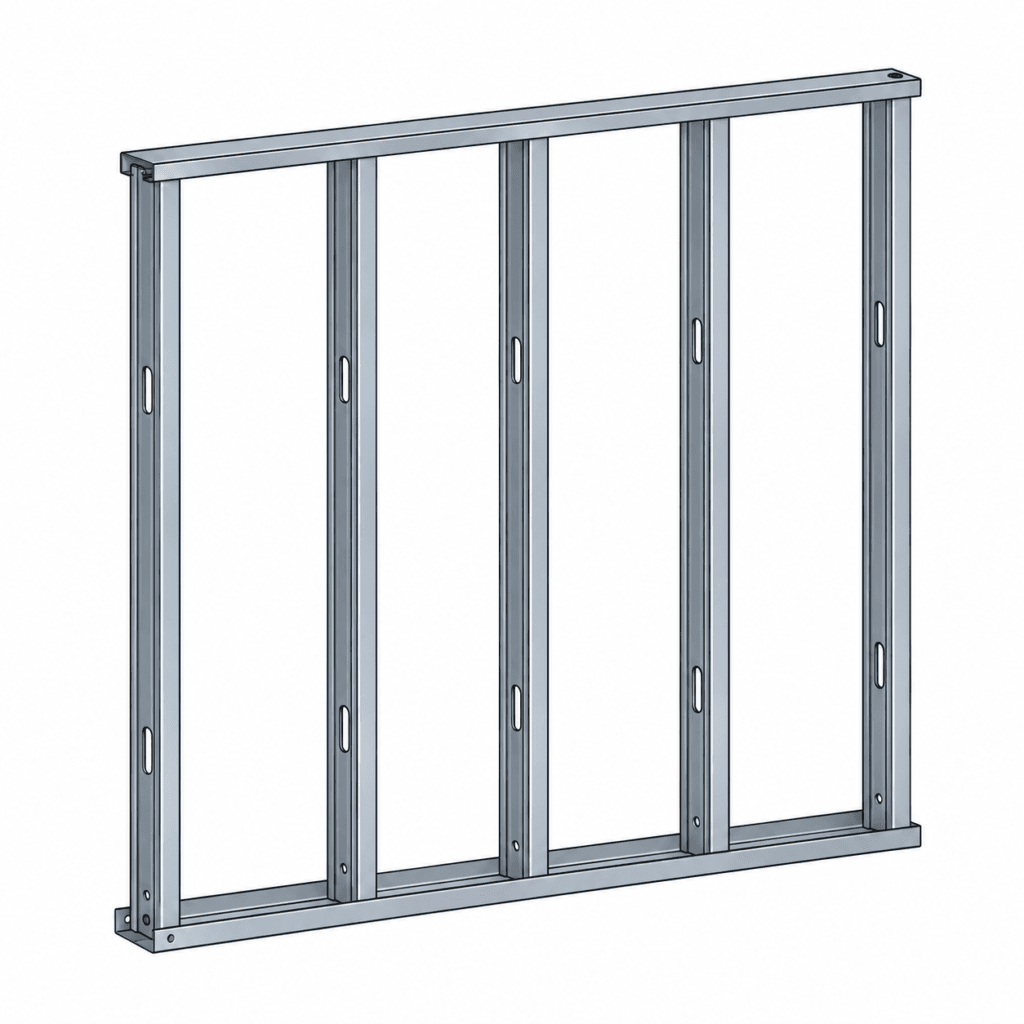
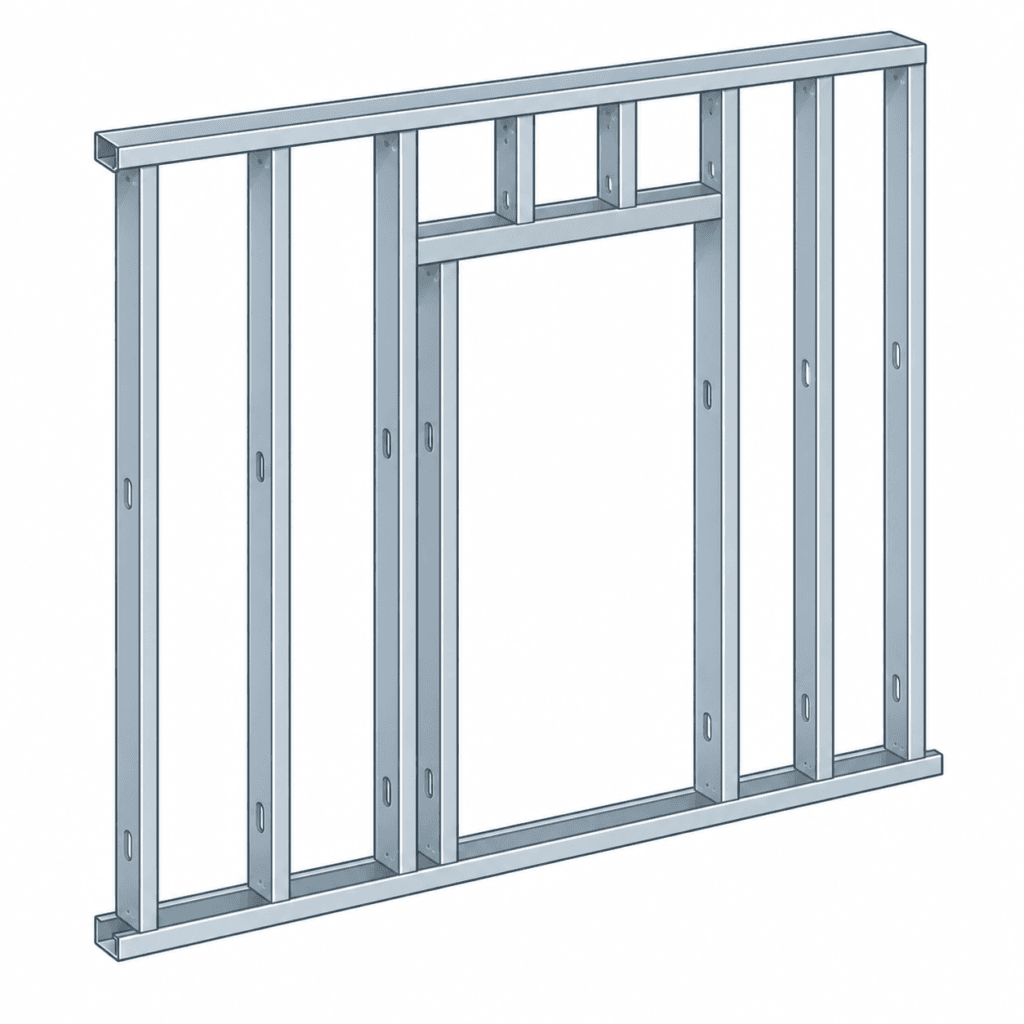
Metal frame for drywall partition walls

Drywall Partition Walls

Drywall screws help fix gypsum boards to partition frames used in offices, homes, and commercial interiors.

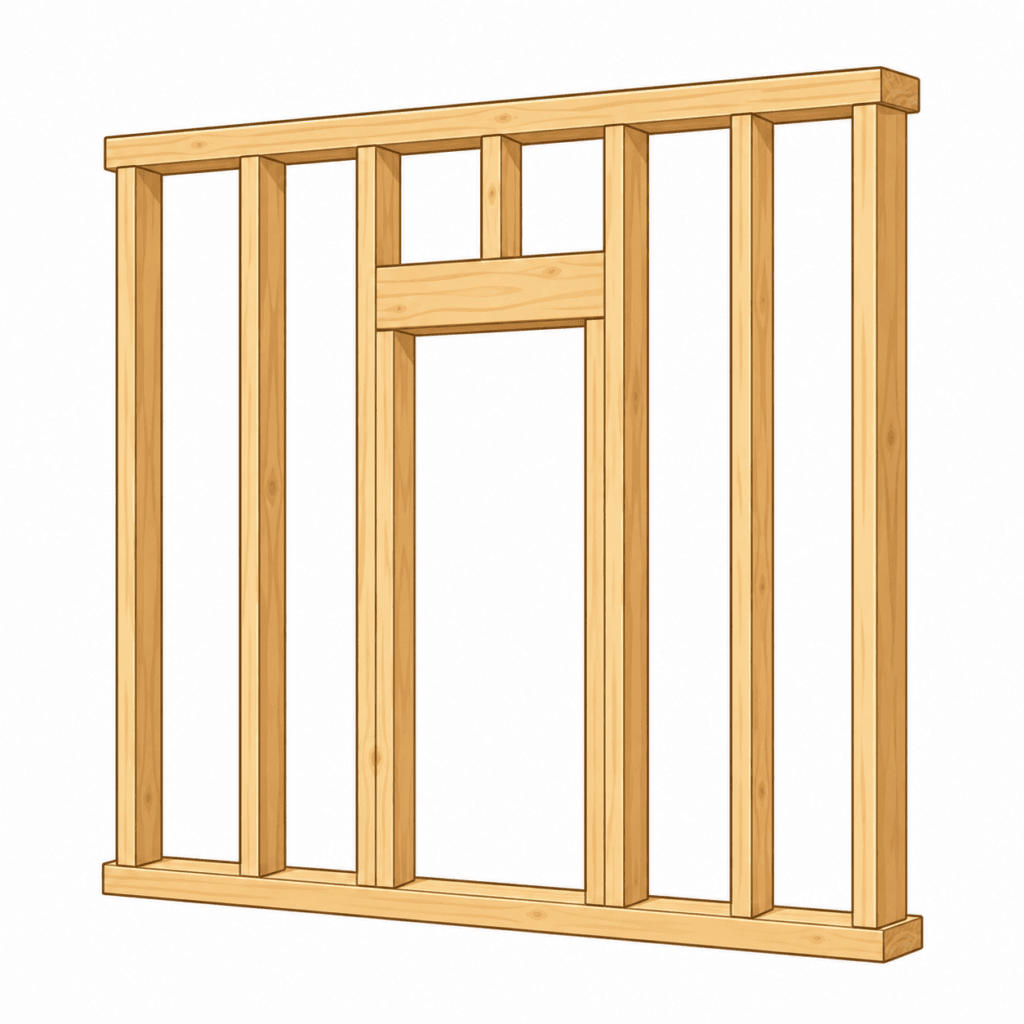
Wood stud wall framing

Wood Stud Framing

Coarse-thread drywall screws are commonly used for attaching gypsum boards to wood studs.

Metal stud wall framing

Metal Stud Framing

Fine-thread drywall screws are commonly used for attaching gypsum boards to light-gauge metal studs.

3. General Benefits of Drywall Screws

Bugle Head Design

The bugle-shaped head helps the screw sit neatly into the gypsum board surface and supports a cleaner finish.

Bugle Head Design

The bugle-shaped head helps the screw sit neatly into the gypsum board surface and supports a cleaner finish.

Reliable Holding Performance

The threaded body helps create a secure grip when fixing gypsum boards to suitable wood or metal framing.

Easy Installation

A sharp point and Phillips drive make drywall screws suitable for quick installation using common power tools.

4. A Quick Glimpse: Threads and Finishes

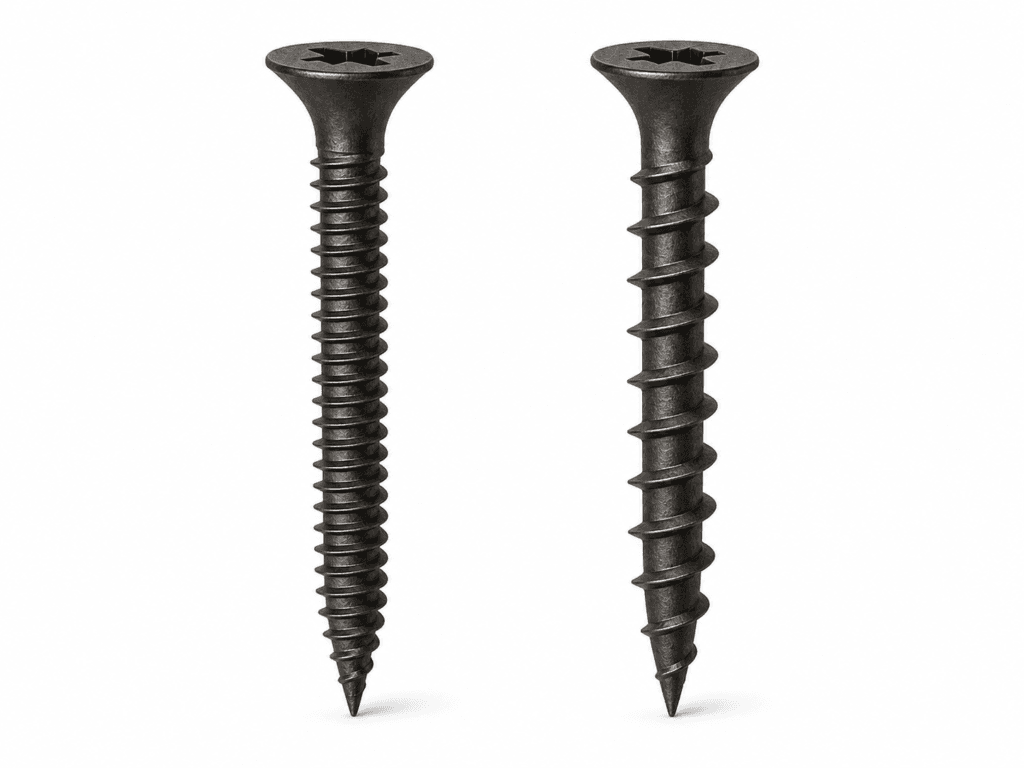
Fine vs Coarse Thread

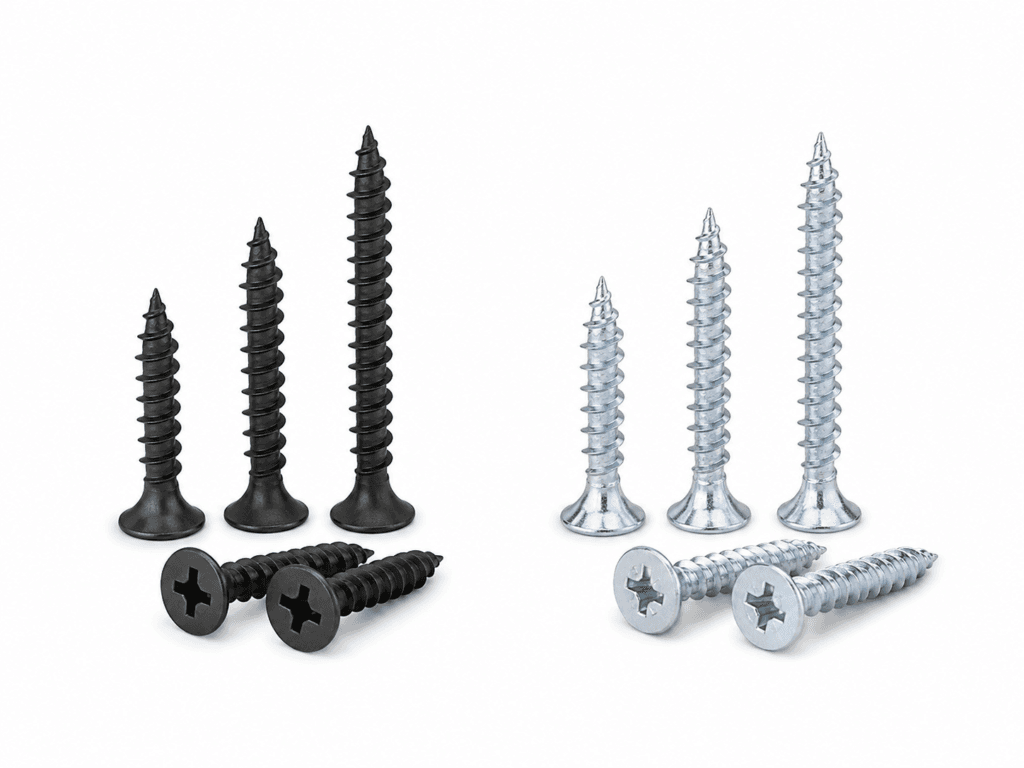
Black-Zinc and Zinc Finishes

Fine thread and coarse thread drywall screws

Coarse-thread drywall screws are commonly used for fixing gypsum boards to wood studs.

Fine-thread drywall screws are generally selected for light-gauge metal studs.

Black and Zinc drywall screw finishes

Drywall screws may be supplied in Black-Zinc and Zinc finishes. The required finish should be selected according to project specifications, intended application, and buyer requirements.

5. Common Selection Mistakes to Avoid

Choosing the wrong drywall screw can reduce fixing reliability and create installation problems. Consider the screw length, diameter, thread type, frame material, and finish before starting the work.

Thread Options for Different Frames

Coarse-thread screws are commonly used with wood studs, while fine-thread screws are generally selected for light-gauge metal studs.

Selecting the wrong screw length

A screw that is too short may not provide enough engagement, while an unnecessarily long screw can make installation harder.

Over-driving the screw

Driving the screw too deeply can damage the gypsum board paper surface and reduce the quality of the fixing.

Ignoring the frame material

Always match the thread type to the supporting frame, whether it is wood or light-gauge metal.

Choosing screws based only on price

Low-quality or inconsistent screws may strip, bend, or create installation difficulties.

6. What to Look for When Choosing a Drywall Screw Brand

Choosing a drywall screw brand should not be based on price alone. Product consistency, size availability, thread options, testing, and supply reliability are important factors for contractors, dealers, and project buyers. For larger projects, working with a reliable drywall screw supplier can help ensure consistent product quality, suitable size availability, and dependable supply.

7. Frequently Asked Questions

What are drywall screws used for?

Drywall screws are mainly used to attach gypsum boards to wood studs or light-gauge metal framing in false ceilings, partition walls, and other drywall installation work.

Coarse-thread drywall screws are commonly used with wood studs, while fine-thread drywall screws are generally selected for light-gauge metal studs.

Lorem ipsum dolor sit amet, consectetur adipiscing elit. Ut elit tellus, luctus nec ullamcorper mattis, pulvinar dapibus leo.

Black-Zinc and Zinc finishes are available to suit different project requirements, appearance preferences, and specification needs.

Check the gypsum board thickness, frame material, screw diameter, length, thread type, and finish before selecting the screw.

8. Conclusion

Drywall screws are essential fasteners for gypsum board installation, false ceilings, and partition walls. Choosing the correct screw depends on the frame material, board thickness, screw length, diameter, thread type, and finish.

Coarse-thread screws are commonly used with wood studs, while fine-thread screws are generally selected for light-gauge metal studs. Selecting suitable, consistent-quality drywall screws can help improve fixing reliability and achieve a cleaner installation result.

For detailed information about available diameters, lengths, thread options, and finishes, see our complete drywall screw sizes and specifications guide.